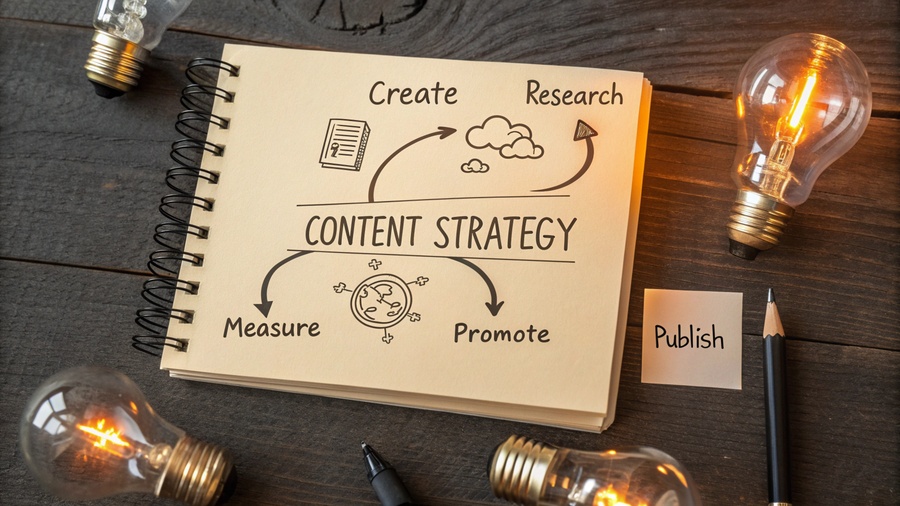
In today’s ever-evolving digital marketing world, AI content has become a transformative tool for brands and creators alike. Businesses are increasingly relying on AI writing tools to scale content production, maintain consistency, and reach new audiences faster than ever before. But with innovation comes responsibility. Knowing how to use AI effectively—and ethically—is essential to achieving sustainable success. At HiRISE Digital Corp., we believe in blending technology with creativity to craft authentic and engaging stories. That’s why developing a clear AI content strategy and robust AI content management process is key to harnessing the benefits of artificial intelligence while minimizing potential risks.
Understanding AI-Generated Content
AI-generated content refers to text, visuals, or other media created by artificial intelligence systems. These tools analyze vast datasets and learn language patterns to produce human-like writing or imagery. Modern AI writing tools, such as GPT-based platforms, have revolutionized how content is created—offering scalability, speed, and versatility.
For a deeper understanding of how AI is transforming the digital landscape, explore our related guide: The Ultimate Guide to AI in Digital Marketing (Florida).
How AI Writing Tools Work
AI writing tools generate content by processing inputs like prompts, keywords, and tone preferences. The algorithms then produce relevant, structured text that closely mimics human communication. However, while AI can produce impressive results, it lacks the creative intuition and emotional understanding that humans bring to storytelling—making human review and refinement essential for quality assurance.
The Benefits of AI-Generated Content
AI-generated content offers numerous advantages for businesses and content creators. Here are some key benefits:
1. Increased Efficiency
AI writing tools allow us to produce content rapidly, significantly reducing the time needed for drafting and editing. This efficiency is particularly beneficial for businesses that require a high volume of content to maintain an active online presence.
2. Cost-Effectiveness
Hiring a team of writers can be expensive, especially for small businesses or startups. AI content can help reduce costs by automating parts of the content creation process, allowing us to allocate resources more effectively.
3. Consistency in Tone and Style
AI tools can be programmed to maintain a consistent tone and style across different pieces of content. This consistency is crucial for branding and ensures that all content aligns with our brand’s voice and messaging.
4. Enhanced Content Personalization
With AI, we can create personalized content tailored to specific audience segments. By analyzing user data, AI can generate content that resonates with different demographics, enhancing engagement and conversion rates.
The Risks of AI-Generated Content
Despite its benefits, AI-generated content comes with potential risks that need careful consideration:
1. Quality Concerns
While AI can generate content quickly, the quality may not always meet our standards. AI lacks the human touch, which can result in content that is generic or lacks emotional depth. It’s crucial to review and edit AI-generated content to ensure it aligns with our brand’s quality standards.
2. SEO and Penalties
Search engines like Google prioritize high-quality, original content. Relying heavily on AI-generated content without proper oversight can lead to penalties if the content is deemed low-quality or duplicate. An effective AI content strategy involves blending AI-generated content with human oversight and creativity to avoid such issues.
3. Ethical Considerations
AI content raises ethical questions about authorship and originality. It’s important to disclose when content is AI-generated to maintain transparency with our audience. Additionally, we must consider the potential for AI to perpetuate biases present in its training data.
Best Practices for AI Content Strategy
To maximize the benefits and mitigate the risks, we must adopt best practices when incorporating AI-generated content into our strategy:
1. Combine AI with Human Creativity
While AI can handle repetitive tasks, human creativity is irreplaceable. Use AI to generate initial drafts or ideas, then refine and enhance the content with human insight. This approach ensures that the final product is both efficient and engaging.
2. Implement AI Content Management
Effective AI content management involves setting clear guidelines for AI-generated content. Establish quality control processes to review and edit content before publication. This step ensures that all content meets our brand’s standards and resonates with our audience.
3. Monitor Performance and Feedback
Regularly analyze the performance of AI-generated content to assess its impact on engagement, conversions, and SEO. Gather feedback from our audience to identify areas for improvement and adjust our AI content strategy accordingly.
4. Stay Informed About AI Developments
The field of AI is constantly evolving, and staying informed about new tools and technologies is essential. Regularly update our knowledge and adapt our strategies to leverage the latest advancements in AI content creation.
AI-generated content has reshaped digital marketing, offering unprecedented opportunities for speed, scalability, and personalization. But success lies in how we use it. By combining AI’s efficiency with human creativity, implementing strong AI content management, and following ethical best practices, we can produce content that informs, engages, and converts.
At HiRISE Digital Corp., we help businesses harness the power of AI responsibly—creating content strategies that deliver measurable results without compromising quality or authenticity. Ready to elevate your content approach? Get in touch with us to learn how our team can help you develop a smarter AI content strategy tailored to your brand.