Running paid ads can bring quick traffic, but without the right approach, costs can add up fast without delivering results. Many businesses struggle with how to manage a PPC campaign effectively while keeping performance consistent. That’s where clear strategy and the right PPC advertising tips make a difference. At HiRISE Digital Corp., we help businesses simplify PPC by focusing on what actually drives clicks, conversions, and measurable results. In this blog, we break down how PPC works and how to manage campaigns more effectively.
What is Pay-Per-Click Advertising?
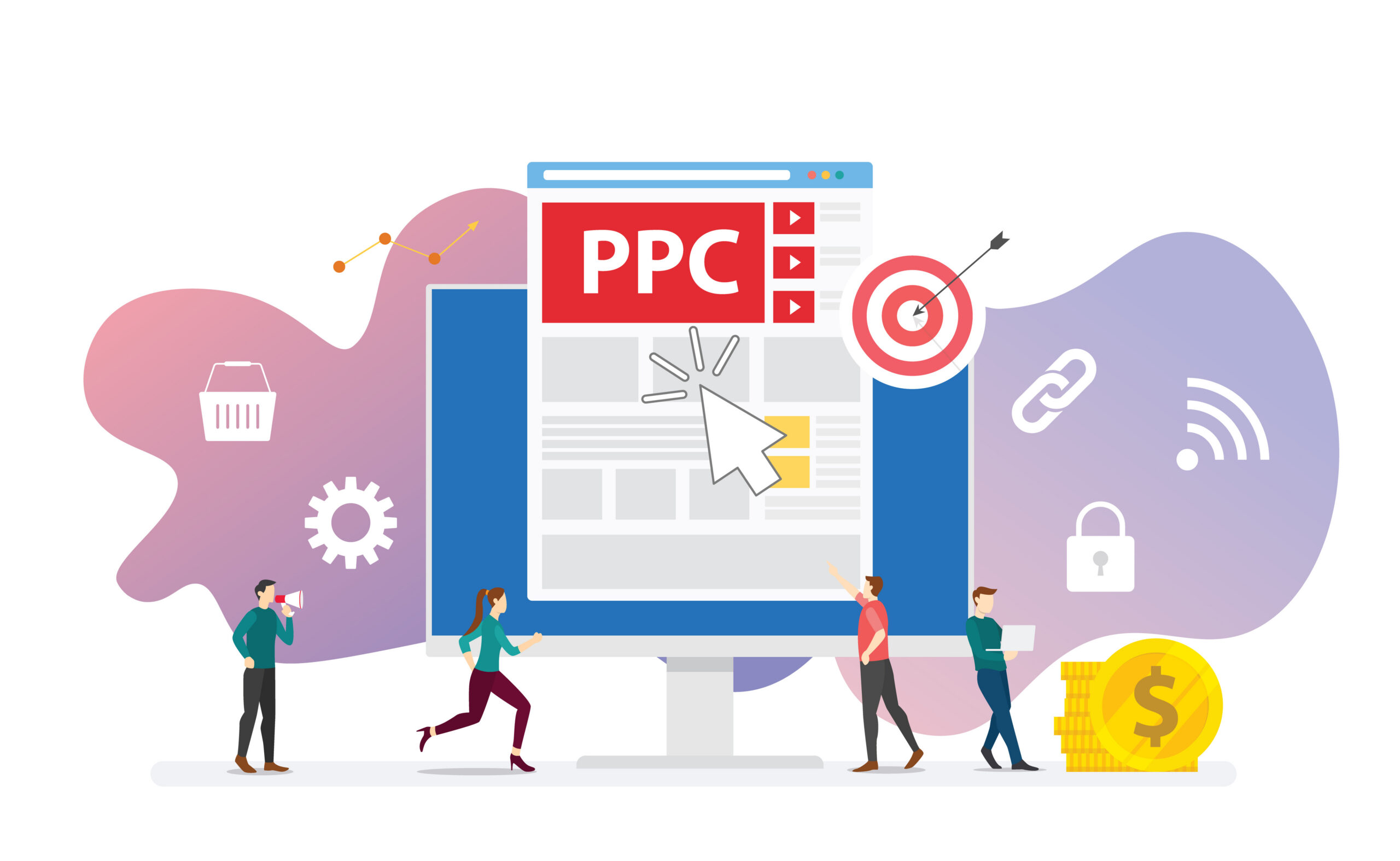
Pay-Per-Click advertising is a model of internet marketing where advertisers pay a fee each time one of their ads is clicked. Essentially, it’s a way of buying visits to your site, rather than attempting to “earn” those visits organically. Search engine advertising is one of the most popular forms of PPC, allowing advertisers to bid for ad placement in a search engine’s sponsored links when someone searches on a keyword related to their business offering.
The Importance of PPC in Digital Marketing
PPC advertising is a powerful tool in digital marketing for several reasons:
- Immediate Results: Unlike SEO, which can take months to show results, PPC campaigns can drive traffic to your website instantly.
- Targeted Reach: PPC allows you to target specific demographics, locations, and even times of day to ensure your ads reach the right audience.
- Control Over Budget: With PPC, you can set a budget that suits your needs, ensuring you never spend more than you’re comfortable with.
- Data-Driven Insights: PPC provides detailed analytics, enabling you to track the performance of your ads and make informed decisions.
How to Manage a PPC Campaign
Managing a PPC campaign effectively requires a clear approach. Here are some essential steps to guide you on how to manage a PPC campaign:
1. Define Your Goals
Before launching a PPC campaign, it’s crucial to define what you want to achieve. Are you looking to increase brand awareness, generate leads, or drive sales? By setting clear objectives, you can tailor your campaign to meet these goals.
2. Conduct Keyword Research
Keyword research is the foundation of any successful PPC campaign. Use tools like Google Keyword Planner to identify high-performing keywords related to your business. Focus on both short-tail and long-tail keywords to capture a wide range of search queries.
3. Create Compelling Ad Copy
Your ad copy should be engaging and relevant to your target audience. Highlight the unique selling points of your product or service and include a strong call-to-action (CTA) to encourage clicks.
4. Optimize Landing Pages
A well-optimized landing page is essential for converting clicks into customers. Ensure your landing pages are relevant to the ad, have a clear CTA, and are optimized for mobile devices.
5. Set a Budget and Bidding Strategy
Determine how much you’re willing to spend on your campaign and choose a bidding strategy that aligns with your goals. Options include cost-per-click (CPC), cost-per-thousand impressions (CPM), and cost-per-acquisition (CPA).
6. Monitor and Adjust Your Campaign
Regularly review your campaign’s performance and make adjustments as needed. Analyze key metrics such as click-through rate (CTR), conversion rate, and return on ad spend (ROAS) to measure performance and identify areas for improvement.
PPC Advertising Tips for Success
To maximize the effectiveness of your PPC campaigns, consider these expert tips:
Utilize Negative Keywords
Negative keywords prevent your ads from appearing in irrelevant searches, saving you money and improving targeting. Regularly update your negative keyword list to improve targeting.
Leverage Ad Extensions
Ad extensions provide additional information about your business, such as location, phone number, and links to specific pages on your website. They improve visibility and can increase your ad’s CTR.
Test and Experiment
Don’t be afraid to test different ad copies, headlines, and landing pages. A/B testing can provide useful insights into what resonates with your audience and improve your overall campaign performance.
Stay Updated with Trends
The digital marketing landscape is constantly evolving. Stay informed about the latest PPC trends and updates to ensure your strategies stay effective.
Understanding PPC Metrics and Analytics
Analyzing PPC performance is essential for optimizing campaigns. Key metrics to focus on include:
- Click-Through Rate (CTR): Measures how often people click on your ad after seeing it. A higher CTR indicates effective ad targeting and copy.
- Conversion Rate: The percentage of visitors who complete a desired action, such as making a purchase or signing up for a newsletter.
- Quality Score: A Google Ads metric that influences your ad’s position and cost-per-click. A higher Quality Score can lower costs and improve ad placement.
- Return on Ad Spend (ROAS): Measures the revenue generated for every dollar spent on advertising. A high ROAS indicates a successful campaign.
Navigating the PPC Landscape with HiRISE
As HiRISE Digital has explored, PPC advertising offers strong opportunities for businesses to reach their target audiences and reach their marketing goals. By understanding the core components of PPC, setting clear objectives, and regularly reviewing performance, you can create campaigns that deliver impressive results.
At HiRISE, we’re dedicated to simplifying the complexities of digital marketing. Whether you’re just starting with PPC or looking to refine your existing strategies, our expertise can guide you toward success. Explore more about our services at HiRISE Digital, and let’s improve your digital marketing together.
For more PPC advertising tips and insights on how to manage a PPC campaign, contact us today and let us help you learn the art of digital marketing.